01.
02.
03.
It’s Time For A Different Approach
Years of overlapping laws, court practices, regulatory expansion, and administrative policies have fundamentally reshaped the economics of providing and preserving housing. As these policies continue to interact and compound over time, the risks to Washington’s housing system continue to escalate.
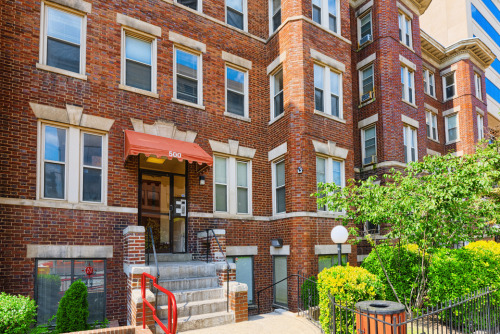
The DC Housing Recovery Coalition (HRC) is a coalition of housing providers, affordable housing organizations, investors, attorneys, researchers, policy experts, and community leaders working together to restore stability, accountability, and confidence to Washington’s housing ecosystem.
Washington’s housing challenges did not emerge from a single law, agency, or policy decision. They are the product of an interconnected system of legislation, court procedures, administrative practices, regulatory requirements, and government programs that collectively influence housing affordability, housing preservation, investment, property operations, and access to justice.
For too long, the District’s housing laws, policies, and administrative practices have produced unintended consequences with too little accountability. HRC was created to investigate systemic failures, develop the factual record, and pursue meaningful reform through coordinated action before the Federal Government and the Federal Courts.
HRC is pursuing a coordinated Two Tracks. One Campaign. strategy. One track focuses on advancing systemic housing reform through engagement with the Federal Government. The second track focuses on developing the factual record necessary to support strategic litigation in the Federal Courts, where the evidence and the law warrant judicial review.
Together, these two tracks create a coordinated campaign to investigate systemic failures, advance meaningful reforms, and restore stability, accountability, and confidence to Washington’s housing ecosystem.
Request a Confidential Conversation
A Blueprint for Systemic Housing Reform
The Dirty Dozen identifies the twelve systems that have the greatest influence on Washington’s housing ecosystem.Together, they form HRC’s blueprint for systemic housing reform and establish the Coalition’s investigative agenda.
HRC will investigate whether these laws, policies, court practices, administrative systems, and government programs continue to serve their intended public purpose or whether they have instead contributed to housing instability, financial distress, declining investment, the loss of naturally occurring affordable housing, broader questions of governmental accountability, or potential legal liability.
The findings from these investigations will support HRC’s engagement with the Federal Government and the Federal Courts while informing legislative proposals, administrative reforms, and strategic litigation designed to restore accountability across the District’s housing system.
The Twelve Priority Reform Initiatives
1. Housing Court Reform
HRC will investigate whether existing landlord-tenant court procedures—including virtual calendars, mandatory mediation requirements, jury trials in possession actions, continuance practices, and case management protocols—are being administered in a manner that provides timely access to justice and the prompt resolution of housing disputes.
HRC will evaluate whether these practices have unnecessarily delayed the recovery of possession, increased housing costs, impaired due process, and undermined the fair, efficient, and effective administration of justice.
2. Rent Control
HRC will investigate whether the District’s rent control framework continues to achieve its intended public purpose of preserving affordable housing while maintaining a financially sustainable rental housing market.
HRC will evaluate whether the cumulative effects of rent regulation have contributed to deferred maintenance, reduced investment, refinancing challenges, declining property values, diminished housing preservation, and the loss of naturally occurring affordable housing while raising broader questions concerning economic sustainability, property rights, and the long-term viability of Washington’s housing market.
3. Rapid Rehousing
HRC will investigate whether the administration of Rapid Rehousing and related housing assistance programs appropriately balances the needs of participating families with the rights and responsibilities of private housing providers.
HRC will evaluate whether voucher expirations, prolonged occupancy following the termination of assistance, delayed recovery of possession, and related administrative practices have shifted public housing obligations onto private property owners without adequate legal or financial protections, resulting in significant economic harm and raising questions of governmental accountability and potential legal liability.
4. Just Cause Eviction
HRC will investigate whether the District’s Just Cause Eviction law appropriately balances tenant protections with fundamental property rights and the legitimate interests of housing providers.
HRC will evaluate whether existing restrictions, particularly when combined with prolonged court delays and other regulatory requirements, have created unreasonable barriers to the lawful use, possession, and operation of private property, contributing to housing instability, reduced investment, declining housing quality, and potential legal liability arising from the cumulative operation of the District’s housing laws.
5. Tenant Opportunity to Purchase Act (TOPA)
HRC will investigate whether the Tenant Opportunity to Purchase Act continues to achieve its intended public purpose while supporting a stable and efficient housing market.
HRC will evaluate whether the cumulative operation of TOPA has resulted in unnecessary transaction delays, failed sales, increased carrying costs, financing challenges, diminished property values, reduced housing investment, or other burdens that raise significant questions concerning governmental accountability, property rights, or potential legal liability.
6. DC Housing Authority
HRC will investigate whether the District’s administration of the Housing Choice Voucher Program and other DCHA initiatives promotes housing stability, responsible stewardship of public resources, and productive partnerships with housing providers.
HRC will evaluate whether inspection delays, rent abatements, payment interruptions, administrative burdens, mandatory participation requirements, and other operational practices have imposed unnecessary financial losses on housing providers, discouraged participation in publicly funded housing programs, contributed to housing instability, or otherwise raise broader questions regarding governmental accountability and administrative performance.
7. Department of Buildings
HRC will investigate whether inspection and code enforcement authorities are being exercised consistently with their public safety mission or whether certain practices have become punitive, unnecessarily burdensome, or inconsistent with principles of fairness, due process, and sound administrative governance.
HRC will evaluate whether permitting delays, repetitive inspections, stop-work orders, notices of violation, vacant building enforcement, and other regulatory actions have discouraged housing rehabilitation, increased compliance costs, delayed investment, caused measurable economic harm, or otherwise warrant legislative reform, enhanced oversight, or legal review.
8. Office of the Attorney General
HRC will investigate whether housing-related enforcement activities undertaken by the Office of the Attorney General are being administered in a manner that is fair, transparent, proportionate, and consistent with sound principles of prosecutorial discretion and administrative fairness.
HRC will evaluate whether investigative practices, litigation strategies, settlement demands, and enforcement actions have imposed unnecessary operational burdens, increased housing costs, discouraged investment, impaired property rights, or otherwise raise significant questions regarding governmental accountability, due process, or potential legal liability.
9. Pandemic Housing Policies
HRC will investigate whether emergency housing measures adopted during and after the COVID-19 pandemic remained appropriately tailored to the public health emergency or whether temporary policies evolved into long-term governmental practices that continue to affect housing providers, tenants, and Washington’s housing market.
HRC will evaluate whether eviction moratoria, emergency rental assistance programs, possession restrictions, and related administrative actions resulted in unintended economic harm, impaired property rights, shifted public burdens onto private housing providers without adequate compensation or legal protections, or otherwise warrant legislative reform, governmental accountability, or legal review.
10. Housing Regulation
HRC will investigate whether the cumulative effect of the District’s licensing requirements, registration mandates, reporting obligations, inspections, certifications, compliance requirements, and other regulatory programs has created an administrative framework that effectively serves the public interest.
HRC will evaluate whether the combined operation of these requirements has imposed unnecessary burdens on housing providers, discouraged rehabilitation and investment, increased operating costs, reduced housing preservation, or otherwise undermined the long-term sustainability and competitiveness of Washington’s housing market.
11. Affordable Housing Preservation
HRC will investigate whether existing laws, financing systems, regulatory policies, and governmental practices are effectively preserving Washington’s naturally occurring affordable housing.
HRC will evaluate whether current public policies have instead contributed to financial distress, deferred maintenance, property deterioration, declining investment, and the continuing loss of affordable housing opportunities while identifying reforms necessary to preserve existing housing, encourage reinvestment, and strengthen long-term housing stability.
12. Housing Governance
HRC will investigate whether the District’s housing agencies, programs, and governing institutions are operating in a coordinated, transparent, and accountable manner consistent with their statutory responsibilities and public mission.
HRC will evaluate whether deficiencies in agency performance, interagency coordination, policy implementation, oversight, transparency, or performance measurement have contributed to systemic failures within Washington’s housing ecosystem, resulting in avoidable economic harm, diminished public confidence, and the need for comprehensive governance reform.
Two Tracks. One Campaign.
Systemic problems require systemic solutions.